ANODISING
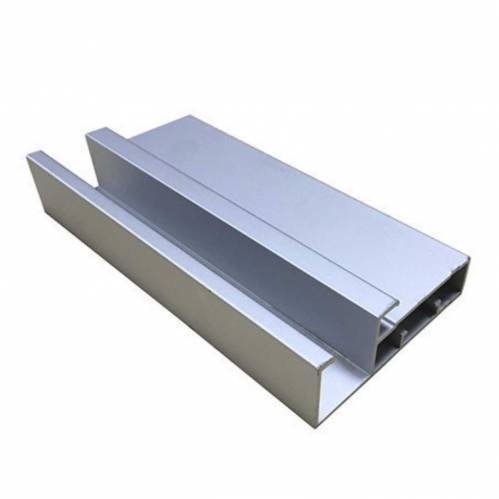
Anodising is an electrochemical process used to form a durable, corrosion-resistant oxide layer on the surface of metals, primarily aluminum. This oxide layer enhances the metal’s appearance, strength, and resistance to wear and corrosion. Anodising is commonly used in various industries such as aerospace, automotive, construction, electronics, and consumer products.
- Sulfuric Acid Anodising (Type II):
This is the most common type of anodising process. It produces a medium-thickness oxide layer that provides excellent corrosion resistance and allows for coloring. It is widely used for decorative and general-purpose applications such as in consumer electronics and architectural materials. - Hard Anodising (Type III):
Also known as hard coat anodising, this process creates a thicker and denser oxide layer, providing superior wear and abrasion resistance. It is typically used in aerospace, automotive, and industrial components that require high durability and surface hardness. - Chromic Acid Anodising (Type I):
This process forms a thin but highly corrosion-resistant oxide layer. It is often used in aerospace applications where maintaining tight dimensional tolerances is important, and the coating must be lightweight yet protective. - Decorative Anodising:
Decorative anodising focuses on enhancing the visual appeal of metal surfaces. The porous oxide layer formed during the process can be dyed in various colors before being sealed. It is commonly used in architectural fittings, consumer products, and jewelry.